
Content Marketing vs Paid Ads: Which is Better?
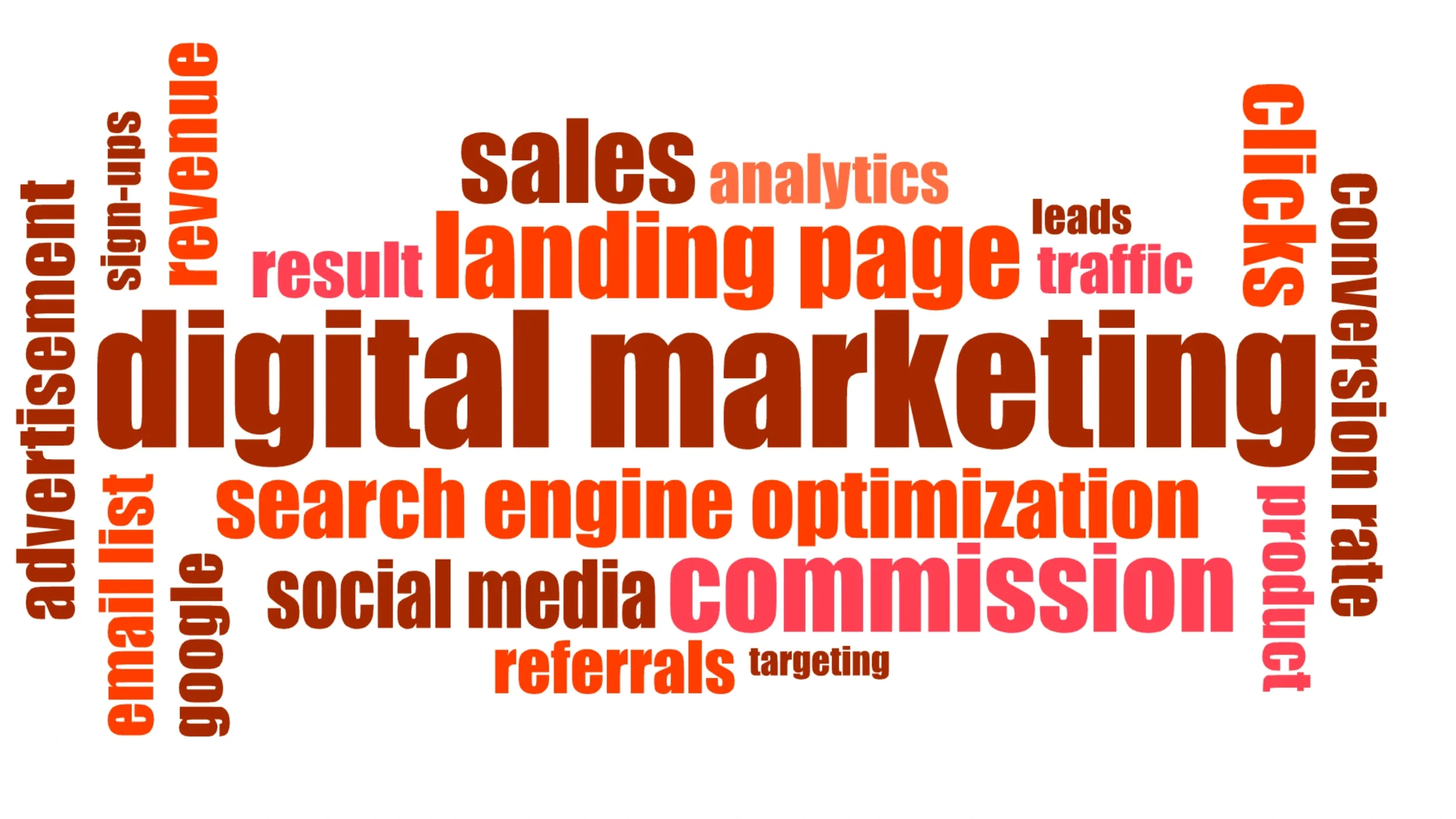
The debate between content marketing and paid ads often misses the bigger picture. In today’s digital ecosystem, driven by AI-powered algorithms and behavior tracking, the real advantage lies in how these two strategies interact, not compete.
Users no longer convert in a single step. They discover, evaluate, revisit, and then decide. This multi-touch journey means your marketing must function as a system where trust and visibility are built over time while conversions are triggered at the right moment.
If your marketing still feels disconnected, explore a more structured approach.
Content Marketing: Compounding Trust Through Intent
Content marketing works because it aligns with user intent. Instead of interrupting attention, it meets users when they are actively searching or exploring. This creates a natural entry point into your brand.
Modern search and social algorithms prioritize engagement signals like dwell time, scroll depth, and repeat visits. This means content that genuinely solves problems doesn’t just rank, it compounds. A well-structured content ecosystem can generate traffic, leads, and authority long after it’s published.
What many businesses overlook is the role of topical authority. Ranking today isn’t about isolated keywords but about covering a subject comprehensively. When your content is interconnected and consistently valuable, platforms treat your website as a trusted source.
Another emerging shift is zero-click content, insight-rich posts on platforms like LinkedIn that deliver value without requiring users to leave. These formats often outperform traditional posts because they align with platform retention goals.
However, content fails when it lacks distribution. Publishing alone is not a strategy. High-performing brands repurpose each piece into multiple formats, short videos, email sequences, and retargeting assets, ensuring maximum reach and engagement.
Want content that drives actual business results, not just traffic? Contact us today!Paid Ads: Speed, Scale, and Real-Time Data
Paid advertising offers something content cannot: immediate feedback. It allows businesses to test offers, messaging, and audience behavior in real time.
Today’s ad platforms rely heavily on machine learning, which means targeting is increasingly automated. As a result, creative quality has become the primary driver of performance. Ads that capture attention in the first few seconds and mirror user pain points consistently outperform generic creatives.
A lesser-known advantage of paid ads is their role in data generation. Every click, impression, and conversion provides insights that can refine not only your campaigns but also your content strategy. In this way, ads act as a rapid testing engine.
However, ads alone are rarely sustainable. Without strong landing pages, clear messaging, and trust signals, they lead to high costs and low returns. Paid traffic amplifies what already exists, if your funnel is weak, your losses scale just as quickly as your reach.
The Key Difference: Interruption vs Intent
Paid ads interrupt users, while content aligns with their intent. This fundamental difference shapes how each performs.
Ads must capture attention instantly and create urgency. Content, on the other hand, builds trust gradually by providing value. This is why content often generates warmer leads, while ads drive faster conversions.
The most effective strategies combine both. Content educates and nurtures, while ads re-engage and convert. When used together, they reduce friction across the buyer journey.
The Hybrid Model: Where Growth Becomes Predictable
The strongest digital marketing systems integrate content and paid ads into a continuous feedback loop. Content attracts and educates users, ads amplify high-performing assets, and retargeting campaigns bring back engaged audiences.
This creates a compounding effect. Over time, content reduces dependency on paid traffic, while ads accelerate growth and provide valuable insights.
An important but often ignored factor is dark social, private sharing through messaging apps and DMs. A significant portion of high-intent traffic originates here, making shareable, insight-driven content a powerful growth lever.
Final Verdict: Which Should You Choose?
Content marketing builds long-term authority and trust. Paid ads deliver speed and scalability. Choosing one over the other limits your growth potential.
The real advantage lies in combining both into a unified strategy that captures attention, builds trust, and converts consistently.
Ready to build a marketing system that actually scales? Explore our services today!