
Digital Marketing Strategies Every Small Business Should Use in 2026
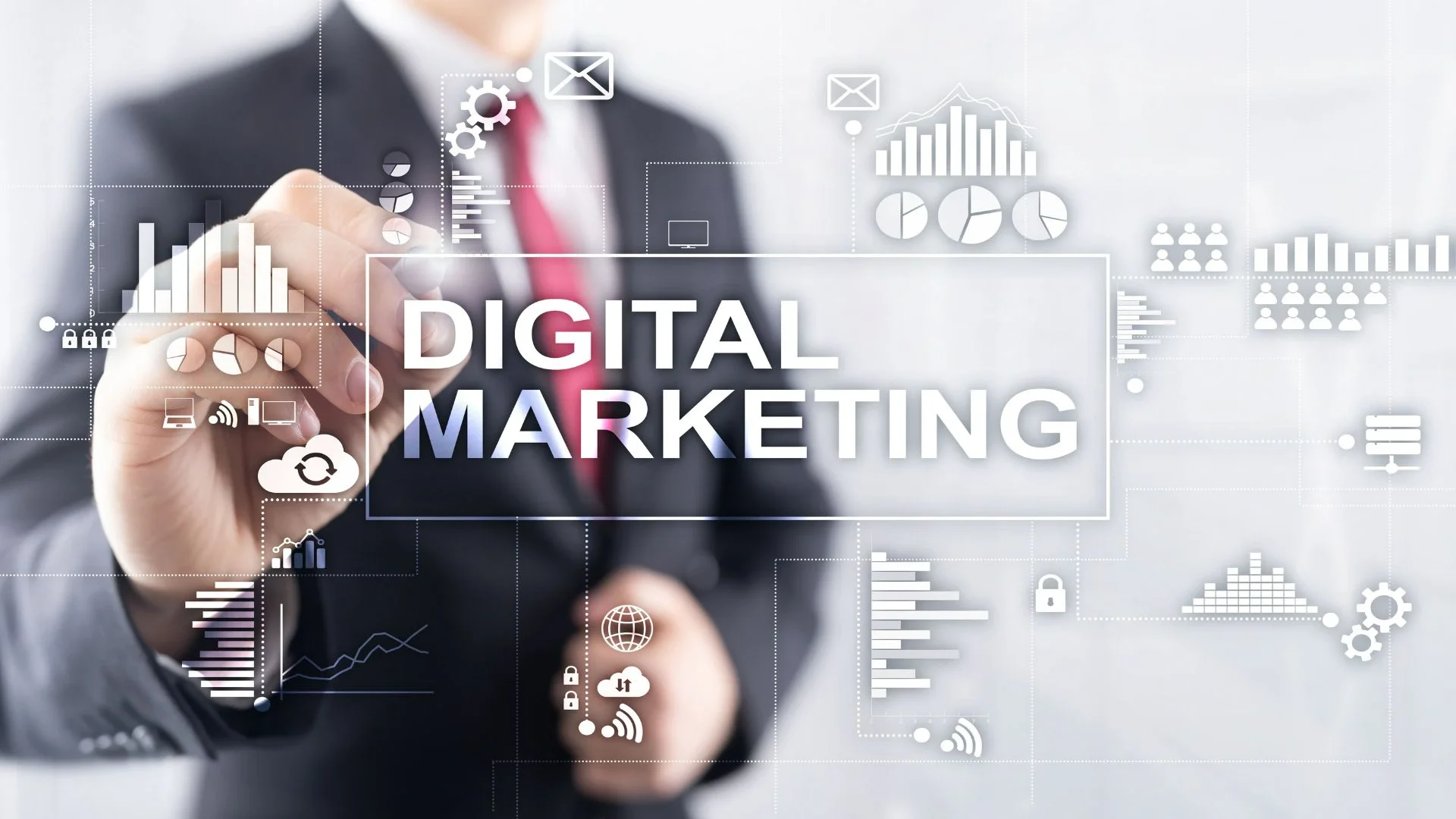
Small businesses in 2026 are operating in a radically different digital environment than they were even two years ago. Platform algorithms are smarter, consumer attention spans are shorter, and competition for visibility is driven by data, automation, and intelligent content distribution.
For small and medium businesses, the challenge is no longer simply “being online.” The real challenge is being discoverable, trustworthy, and algorithmically favored across search engines, social platforms, and recommendation systems.
The good news is that modern digital marketing tools have become significantly more powerful and accessible. With the right strategy, small businesses can compete with larger brands by leveraging automation, behavioral data, and intelligent content frameworks.
1. Build a Data-Driven Marketing Engine
One of the most common mistakes small businesses make is running disconnected campaigns, posting on social media, sending occasional emails, or launching ads without a structured data strategy.
In 2026, data-driven marketing ecosystems outperform isolated campaigns because they track and optimize every stage of the customer journey.
A modern small business marketing system should include:
Behavioral tracking across website, ads, and email
Automated lead capture and qualification
Performance dashboards that monitor ROI in real time
Predictive insights from AI-driven analytics tools
Instead of guessing which campaigns work, businesses can now analyze conversion pathways, engagement depth, and attribution signals.
Businesses that integrate CRM systems with marketing automation tools can create intelligent pipelines that nurture leads automatically until they are ready to purchase.
If you want to implement automated, data-driven marketing systems for your business, explore the services offered by IUS Digital Solutions
2. Leverage AI-Powered Personalization to Increase Conversion Rates
AI personalization is becoming one of the most powerful tools available to small businesses.
Consumers now expect highly relevant content, product recommendations, and messaging tailored to their interests and behavior.
Modern personalization engines can analyze:
Browsing history
Content engagement patterns
Purchase behavior
Time-of-day activity
Device usage
Using this data, businesses can automatically deliver personalized experiences across websites, email campaigns, and advertising platforms.
AI tools can also dynamically change landing page layouts, content headlines, and product recommendations depending on visitor intent.
These personalized experiences significantly improve engagement and conversion rates because users feel the brand understands their needs.
3. Design Content Around Algorithmic Distribution
Content marketing in 2026 is heavily influenced by platform algorithms. Search engines and social platforms prioritize content based on engagement velocity, dwell time, share behavior, and content relevance signals. Businesses that understand how algorithms distribute content gain a major advantage.
One high-performing strategy is creating multi-layered content structures:
Anchor content - long-form blogs, guides, or videos that provide deep value
Distribution content - short-form social media posts that promote the anchor content
Conversation content - polls, questions, and community posts that encourage engagement
Additionally, platforms increasingly reward content that sparks interaction, meaning that comments, saves, and shares often influence reach more than simple views.
Understanding this behavioral logic allows small businesses to design content that naturally triggers engagement.
Read more performance-focused marketing insights on our blog page.
4. Capture “Dark Social” Traffic and Hidden Referral Channels
One of the least understood aspects of digital marketing is dark social—traffic that comes from private sharing channels such as messaging apps, Slack communities, and private groups.
When someone shares a blog link through WhatsApp or Telegram, analytics tools often categorize that visit as “direct traffic,” even though it originated from a referral.
Studies show that a large portion of high-intent traffic now comes from private sharing environments.
Small businesses can capitalize on this by creating content designed for private sharing, including:
Visual infographics that summarize complex ideas
Short educational videos
Industry insights or insider tips
Helpful guides that solve common problems
Explore how strategic content distribution can drive more organic traffic through IUS Digital Solutions.
5. Use Automation Workflows to Nurture Leads Continuously
Lead nurturing remains one of the most underutilized growth strategies for small businesses.
Many companies invest in traffic acquisition but fail to convert those visitors into customers.
Marketing automation solves this problem by creating structured follow-up sequences that guide prospects through the buying process.
Typical automation workflows include:
Welcome email sequences for new subscribers
Educational content drip campaigns
Retargeting ads for abandoned website visits
Re-engagement campaigns for inactive leads
Automation also enables businesses to scale their marketing efforts while maintaining personalization.
6. Target Micro-Communities Instead of Mass Audiences
Another emerging strategy in digital marketing is micro-community targeting.
Rather than broadcasting messages to large audiences, successful brands focus on niche online communities where engagement is deeper and trust is stronger.
These communities may exist in:
LinkedIn groups
Industry forums
Reddit discussions
Slack networks
Niche Facebook groups
Within these environments, educational content and expert insights perform significantly better than traditional promotional messaging.
Small businesses can establish authority by sharing:
Data-driven insights
Case studies
Problem-solving frameworks
Industry analysis
This approach builds credibility and attracts high-quality leads who already trust the brand.
Micro-communities also provide valuable feedback loops, helping businesses understand customer pain points and refine their marketing strategies.
If you want to build a community-driven marketing strategy, visit IUS Digital Solutions today.
Final Thoughts
Digital marketing in 2026 is defined by automation, intelligent analytics, personalized experiences, and community-driven engagement. Small businesses that embrace these technologies can compete effectively with larger brands by focusing on smarter strategies rather than larger budgets.
The most successful companies will be those that combine data-driven decision making, algorithm-aware content strategies, and ethical marketing practices. If you are ready to upgrade your marketing strategy for the next generation of digital growth, working with experienced digital marketing specialists can help accelerate your results.